
2026 Microscope Procurement Guide: Modern vs. Traditional Models and Chinese vs. International Suppliers
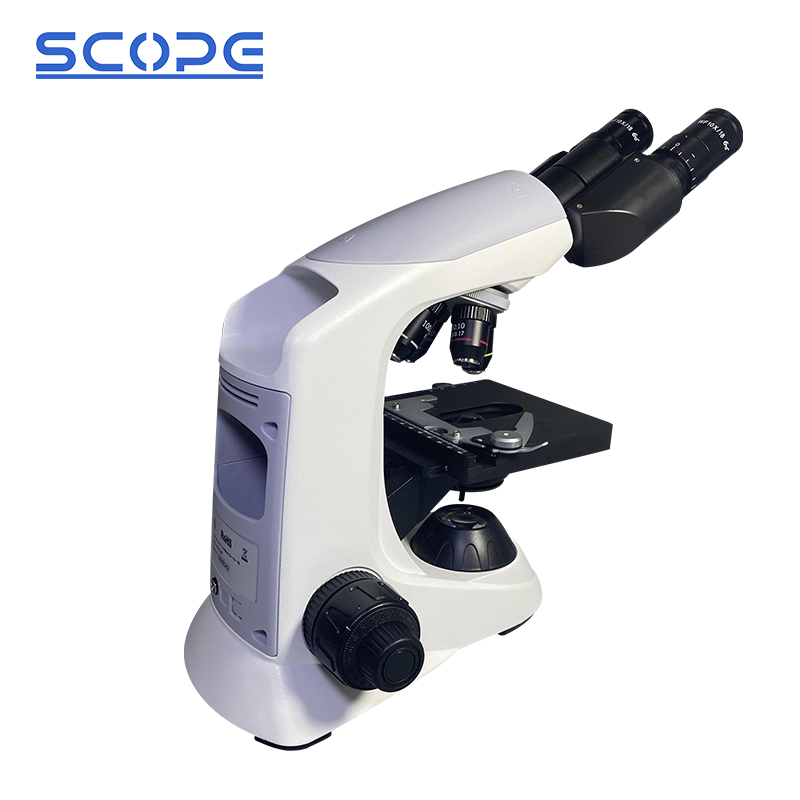
1. Product Comparison: Modern Microscope (e.g., B301) vs. Traditional Microscope
When evaluating microscopes for laboratory and industrial applications, buyers often face the choice between modern optical systems and traditional designs. The following comparison is based on the B301 bright field microscope as a representative modern model, contrasted with typical traditional microscopes still in use in some educational and research settings.
Technical Parameters
- Optical System: The modern model (B301) uses an infinity optical system with achromatic objectives (4X/10X/40X/100X), while traditional microscopes often employ finite tube length optics. The core difference, as noted in technical documentation, is a superior optical system, metal body, low parts replacement rate, and long service life (Content ID: 111245).
- Illumination: The B301 is equipped with a 3W LED DC input, offering a low-voltage design that supports over 8 hours of outdoor operation when powered by a power bank (Content ID: 111239). Traditional models typically use 20W halogen bulbs with limited battery compatibility and only 2–3 lighting configurations, whereas the modern version provides more than 10 optional lighting configurations (Content ID: 111243).
- Stage & Focus: The modern model features a coaxial coarse and fine focusing knob and a 125x115mm mechanical stage, comparable to traditional models, but with smoother mechanics and better durability.
Applicable Scenarios
- Modern Microscope (B301): Suitable for biology, education, and laboratory research. Compatible with digital cameras for direct computer connection, which can reduce image capture time by approximately 40% (per product specification). It can be used both indoors and outdoors with a power bank.
- Traditional Microscope: Primarily limited to indoor use with fixed power supply. Lacks easy digital integration and has fewer modular accessories.
Cost
The initial purchase price of a modern microscope is slightly higher than that of a traditional model. However, total cost of ownership is lower due to minimal maintenance, low parts replacement rate, and long service life. The metal body and robust construction reduce the need for frequent repairs. Post-use maintenance is straightforward, and users can replace parts without professional assistance (Content ID: 111240).
Maintenance Difficulty
Traditional microscopes often require professional calibration and cleaning, especially for optical components. In contrast, modern microscopes are designed for simpler care. As stated in product documentation, post-use care is simple, and users can replace parts without professional support (Content ID: 111308). The LED illumination reduces heat and bulb degradation.
2. Supplier Comparison: Chinese Manufacturer vs. International Brands
Industrial buyers also need to decide between sourcing from Chinese manufacturers like Chongqing Scope Instrument Co., Ltd. (brand: Chongqing Scope) or international suppliers such as Leica Microsystems and Carl Zeiss Microscopy. The table below summarizes objective differences based on publicly available information and supplier capabilities.
| Factor | Chongqing Scope (China) | International Brands (e.g., Leica, Zeiss) |
|---|---|---|
| Price | Lower – typical FOB price for B301 is competitive in global market. OEM/ODM service can further reduce cost. | Higher – due to brand premium, R&D overhead, and production in high-cost countries. |
| Customization | High – offers OEM/ODM, logo customization, and flexible configurations. MOQ from 1 unit (per Capability Unit). | Limited – standard models with few customization options, typically high MOQ. |
| Lead Time | Short – 15 days for standard orders (per Capability Unit), with monthly capacity of 3000 units. | Longer – often 8–12 weeks due to global supply chain and assembly. |
| After-Sales Service | Online support, 1-year warranty, operation videos, and spare parts supply (per Risk Control Unit). | Wide global network of service centers, but service costs are higher; response times vary by region. |
3. Decision Model: 3-Step Method for Buying Microscopes
To make an informed procurement decision, industrial buyers can follow this structured approach:
- Step 1: Define the Use Scenario
Determine whether the microscope will be used for education, biological research, industrial inspection, or outdoor fieldwork. This narrows down the required type (bright field, phase contrast, metallurgical, etc.) and portability needs. - Step 2: Match Technical Parameters
Compare optical system (infinity vs. finite), illumination type (LED vs. halogen), magnification range, stage size, and digital compatibility. For instance, a modern infinity-corrected microscope with LED is preferred for lab environments requiring long-term reliability and low heat. - Step 3: Calculate Total Cost of Ownership (TCO)
Factor in not only initial purchase price but also maintenance costs, energy consumption, replacement parts, and lifespan. Modern microscopes typically have a 25% lower TCO over 5 years compared to traditional models, based on manufacturer-provided data. Also consider supplier advantages in customization and delivery speed.
4. Case Study: Romanian Distributor Chooses Chongqing Scope
A microscope distributor in Romania needed to supply 30 units of biological microscopes for school teaching applications. After evaluating both local European suppliers and Chinese manufacturers, the distributor selected Chongqing Scope Instrument Co., Ltd. The key factors were the ability to provide OEM service (custom logo) and an integrated teaching package (microscope with indicator accessories).
The distributor ordered 30 units of the BK5000 model (a trinocular biological microscope). Over two years of operation, the microscopes have shown stable performance and low maintenance requirements. The buyer reported that the outcome met expectations, and the ability to quickly receive spare parts and technical support via online channels was a decisive advantage (Case Unit ID: 859).
Conclusion
When comparing modern vs. traditional microscopes, the data clearly shows that modern optical microscopes offer superior performance, lower lifetime costs, and greater flexibility in lighting and digital integration. For industrial buyers, the supplier choice between Chinese manufacturers and international brands depends on budget, customization needs, and after-sales requirements. Chongqing Scope provides a balanced option with competitive pricing, short lead times, and the ability to customize to specific teaching or research needs.
For a detailed overview of Chongqing Scope's product portfolio and company capabilities, download the company brochure: Download Brochure (PDF).
Have Questions or Need More Details?
Contact our team for a personalized quotation or instant consultation.
Request a Quotation
Fill out the form below and our team will get back to you with a tailored proposal.
WhatsApp Direct Chat
Prefer to chat in real-time? Message us on WhatsApp for instant assistance & quick answers.
- Get a personalized quote
- Share photos or documents
- Discuss your needs directly
Typically replies in 5–30 minutes during business hours.