
How to Select a Microscope Supplier: A Problem-Solving Guide for Laboratory and Industrial Procurement
Introduction
Procuring microscopes for laboratory, educational, or industrial applications requires careful evaluation of suppliers. The decision impacts long-term operational efficiency, research accuracy, and budget management. This guide provides a structured approach to identify reliable microscope manufacturers, focusing on key evaluation criteria such as production capacity, quality certifications, product range, customization capabilities, and past project references.
1. Assess Production Capacity and Scale
A supplier's manufacturing scale directly influences lead times, consistency, and ability to fulfill bulk orders. When evaluating a potential partner, examine the following metrics:
- Factory size: A dedicated production area of at least 5,000 m² indicates significant infrastructure investment.
- Workforce: More than 100 employees with a specialized R&D team of 20 engineers suggests technical depth.
- Annual output: A capacity of 30,000 units per year demonstrates mature manufacturing processes.
- Monthly output: Monthly production capacity is 3,000 units, ensuring reliable supply for both small and large projects.
These figures help buyers estimate whether the supplier can meet their volume requirements without compromising quality.
2. Verify Quality Management and Certifications
Certifications provide independent validation of a manufacturer's quality control and compliance. Look for the following:
- ISO 9001 – Quality management system.
- ISO 14001 – Environmental management.
- ISO 45001 – Occupational health and safety.
- ISO 13485 – Medical device quality management (relevant for clinical microscopes).
- CE marking (certificate no. BKC22072376GC, BKC22072375GC) – Compliance with EU safety and EMC standards (EN 61010-1, EN IEC 61326-1, etc.).
- RoHS (certificate no. BKC-191103261C) – Restriction of hazardous substances per IEC 62321 series.
Suppliers that hold multiple international certifications demonstrate a commitment to regulatory compliance and product safety, which is especially critical for EU and North American markets.
3. Review Product Range and Technical Specifications
A comprehensive product portfolio allows buyers to source multiple microscope types from a single supplier, simplifying logistics and after-sales support. Below are common categories and representative models:
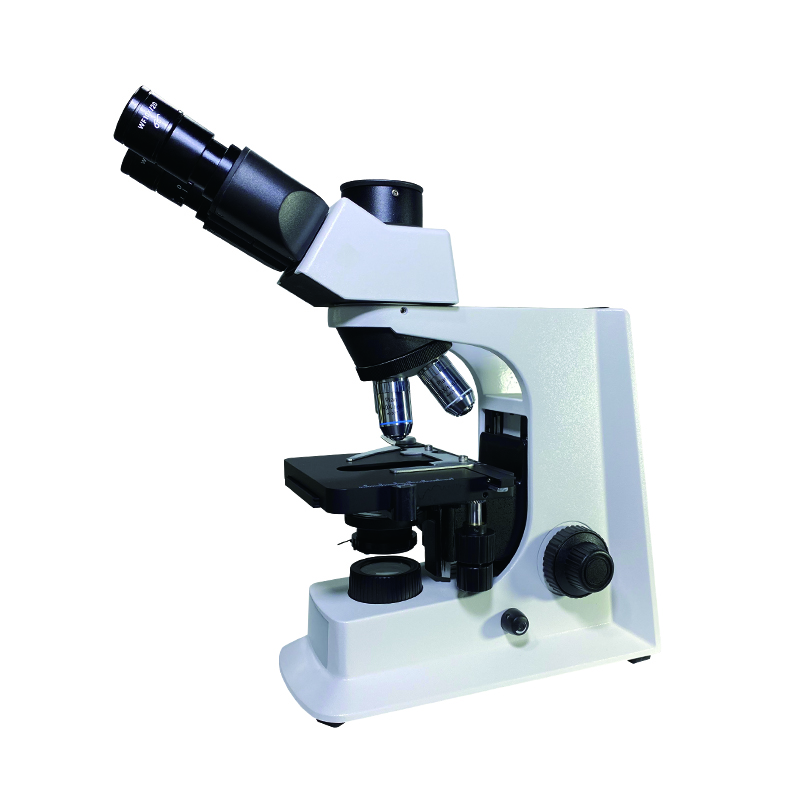
Infinity Biological Microscope (SMART-4) – Binocular, Plan objectives 4X–100X, ideal for teaching and lab research.
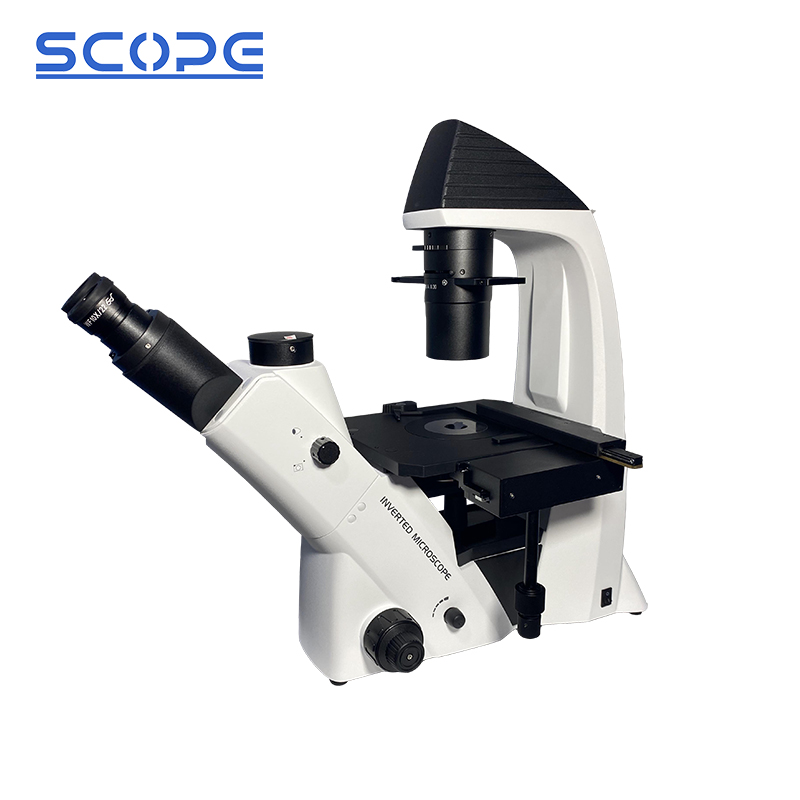
Inverted Tissue Microscope (BDS400) – Trinocular, LWD phase contrast objectives, suitable for cell culture and biological research.
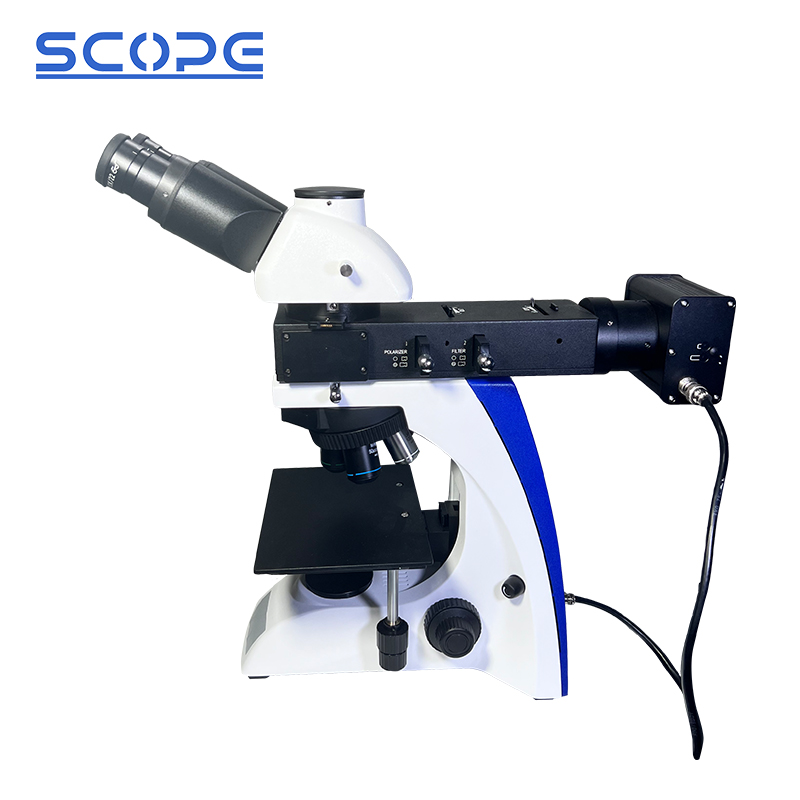
Dark Field Metallurgical Microscope (MIT300D) – Infinity plan objectives, bright & dark field, for materials science.
Other available types include fluorescence microscopes (BK5000-FL), polarizing microscopes (BK-POL, SMART-POL), stereo microscopes (SZ810), and monocular models (B104). Evaluate whether the supplier offers the specific optical configurations needed for your applications.
4. Evaluate Customization and OEM Capabilities
Many procurement scenarios require tailored solutions. A competent supplier should offer:
- OEM production – Manufacturing under the buyer's brand.
- Logo customization – Printing or labeling as per buyer requirements.
- Low MOQ – Minimum order quantity of 1 unit, allowing trial orders or small-batch customization.
Flexibility in customization indicates a supplier's willingness to adapt to specific market needs and reduces the risk of committing to large volumes prematurely.
5. Analyze Past Projects and Client References
Real-world implementation records provide insight into product reliability and supplier responsiveness. For example, a distributor in Romania purchased 30 units of the BK5000 biological microscope for school teaching. After two years of operation, the instruments have demonstrated stable performance. The project also involved OEM services and integrated teaching solutions, showcasing the supplier's ability to deliver both hardware and pedagogical support.
Request case studies or references from suppliers to verify claims about product durability and after-sales service.
6. Understand After-Sales Support and Risk Mitigation
Microscopes require periodic maintenance. Reliable suppliers address common risks such as bulb degradation, dusty optical paths, and mold/fog through the following measures:
- Providing dust covers and anti-mildew treatments.
- Offering online after-sales repair support, including instructional videos.
- Supplying spare accessories directly to users, enabling self-service repairs.
- Backing products with a 1-year warranty.
Additionally, clear documentation on working conditions (0–40°C, max 85% humidity) helps users maintain optimal performance.
7. Confirm Procurement Terms and Logistics
Transparent trade terms simplify cross-border purchasing. Look for suppliers that offer:
- Flexible delivery: EXW, FOB, CFR, CIF, or DAP options.
- Factory inspection acceptance – Allows buyers to verify quality before shipment.
- Payment terms: T/T is standard; confirm if other methods are accepted.
- Export packaging: Neutral cardboard or wooden boxes meeting export standards, with customs documentation (CO, Form E, Form F, etc.) available on request.
These elements reduce procurement risks and ensure smooth international transactions.
Conclusion
Selecting a microscope supplier requires a holistic evaluation of production scale, certifications, product diversity, customization, past performance, after-sales support, and trade flexibility. By systematically applying these criteria, procurement professionals can identify partners that align with their technical requirements and business objectives. For a detailed overview of a supplier's capabilities, refer to the company brochure available for download below.
Have Questions or Need More Details?
Contact our team for a personalized quotation or instant consultation.
Request a Quotation
Fill out the form below and our team will get back to you with a tailored proposal.
WhatsApp Direct Chat
Prefer to chat in real-time? Message us on WhatsApp for instant assistance & quick answers.
- Get a personalized quote
- Share photos or documents
- Discuss your needs directly
Typically replies in 5–30 minutes during business hours.