
Manikin Compliance Guide: Certifications, Standards & Regional Rules
Manikin Compliance Guide: Certifications, Standards & Regional Rules
A medical manikin does not carry one universal compliance label. What a supplier actually hands over is a bundle of documents — a quality management certificate, a statement of intended use, material information, and export paperwork — and each document answers only one narrow question. Interpreting them correctly means matching each document to the manikin's material, its intended training function, its product category, and the market where it will be installed.
This guide is written for training-centre buyers, medical school procurement teams, and importers who are still in the research phase and want a repeatable way to read compliance claims before they request a quotation. Three models are used as worked examples throughout: the SC-CK817 clinical manikin, the SC-H4T advanced intramuscular injection model, and the SC-F50 gynecology manikin, all from Chongqing Scope Instrument Co., Ltd. — a China-based supplier of laboratory and medical training instruments, located in Chongqing and serving markets including Europe, Southeast Asia, the Middle East, South America, and Africa.
Why "Is This Manikin Certified?" Is the Wrong First Question
Manikins are assessed by intended use, not by product name. In most regulatory approaches, the first question is not what the object is called but what the manufacturer declares it is used for. Two PVC torsos that look similar on a catalogue page can sit in different documentation categories once one is declared for first-aid CPR practice and the other for clinical puncture training, because the claimed clinical application changes the risk discussion around the product.
Three structural reasons keep this confusion alive:
Certificates attach to systems and processes, not to catalogue numbers. ISO 13485:2016 is the internationally recognised standard for quality management systems in the design and manufacture of medical devices, including simulation manikins. It shows how a manufacturer controls design, traceability, and production. It does not state that a specific manikin meets a specific performance requirement — and no supplier can honestly claim otherwise.
Materials differ from model to model, so the technical description differs too. The SC-H4T advanced intramuscular injection model is made of PVC and imported plastic elastomer, manufactured by stainless steel mould injection and high-temperature sintering. In the SC-HS4 IV injection model, skin and muscles use imported thermoplastic elastic mixed rubber, nerves and blood vessels use imported latex, and the inner bones and joints use imported PVC, cast from metal moulds at high temperature. A blanket phrase such as "medical grade material" tells a buyer very little about either model.
Export paperwork is not compliance paperwork. A Certificate of Origin, Form E, or Form F confirms where goods originated or which trade arrangement they travel under. None of these is a performance or safety statement about the manikin itself, yet they are frequently filed in the same folder as a quality certificate.
Buyer rule of thumb
If a document does not name the model, the material, or the manufacturing process, treat it as background information rather than evidence. Documents that only name a trading company, a logo, or a general product family are the most common source of compliance misunderstanding in manikin purchasing.
The Market Context Buyers Are Working In
The commercial environment explains why documentation questions are becoming more frequent. The global medical simulation market was valued at USD 1.9 billion in 2025 and is projected to reach USD 6.7 billion by 2033, according to Grand View Research. Within that sector, healthcare anatomical models — the category that includes medical manikins — held the largest product share at approximately 41.4% in 2025.
Volume tells a similar story. Training manikin market volume was estimated at 1.2 million units in 2024, with projections reaching 2 million units by 2028, according to Global Insight Services. North America dominated healthcare simulation in 2024 with a revenue share of approximately 45–48%, based on Precedence Research and WiseGuyReports figures, while Asia-Pacific is the fastest-growing region, with an expected CAGR of 18.2% through 2033 according to Grand View Research.
Regulatory demand is also moving in one direction. China's National Medical Commission mandated simulation labs for the accreditation of all new medical schools as of 2024–2025, according to Market Research Future. Accreditation-driven purchasing tends to arrive with a document checklist attached, which places compliance interpretation directly in the buyer's path.
The supplier landscape adds another variable. Established participants include Laerdal Medical, CAE Inc., Gaumard Scientific, and Kyoto Kagaku, according to MarketsandMarkets, alongside manufacturers such as Chongqing Scope Instrument Co., Ltd., which serves more than 500 clients worldwide with exports accounting for 50% of total sales. Documentation formats are not standardised across these suppliers, so buyers need a reading method rather than a template.
One caution that applies to market data and certificates alike: scope
Published estimates of the same simulation market differ substantially — Grand View Research at USD 1.9 billion for 2025, The Insight Partners at USD 3.17 billion for 2024, and WiseGuyReports at USD 600 million for 2024 — mainly because some counts include software and services while others cover hardware manikins only. A number without its scope is not evidence. A certificate without its scope is not evidence either.
The Four Dimensions That Decide How a Manikin Is Interpreted
Compliance interpretation becomes manageable when it is split into four dimensions. Every document request a buyer makes should map to at least one of them.
1. Material composition
Material determines which technical statements are relevant and which replacement parts are realistic to expect. The range illustrates how much variation exists inside a single supplier's catalogue: the SC-H4T combines PVC with imported plastic elastomer created by stainless steel mould injection and high-temperature sintering; the SC-HS4 mixes imported thermoplastic elastic mixed rubber, imported latex, and imported PVC; the SC-A1010 natural adult skull model, divided into three parts with a movable chin and a cut cranium, is PVC. When a buyer asks "what is it made of?", the useful answer names the material per model, not per brand.
2. Intended use
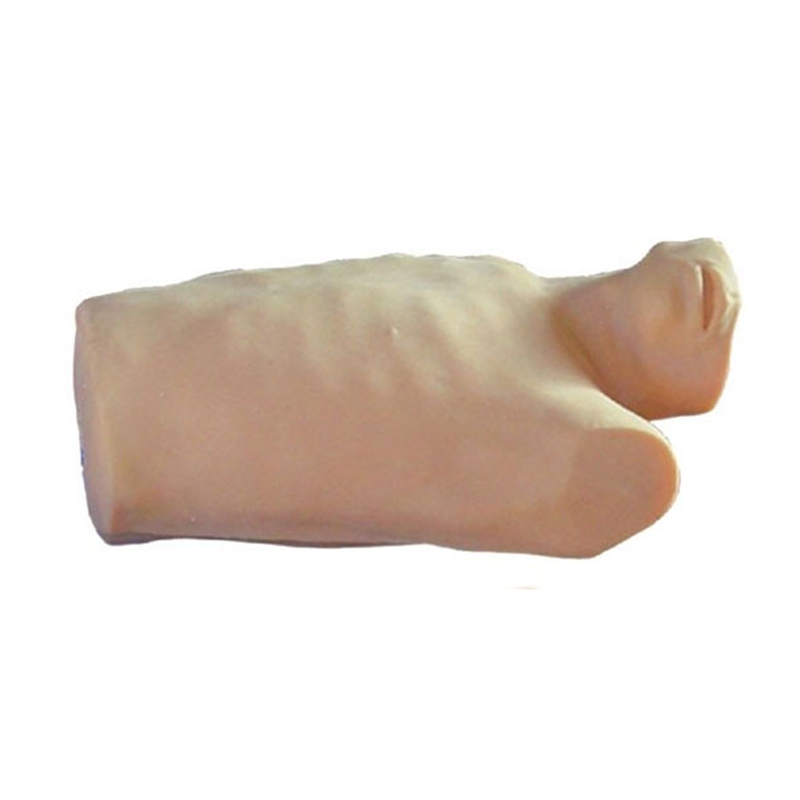
Intended use is the sentence that decides everything downstream. The SC-CK817 is intended for pericardial puncture and intracardiac injection training, and also supports sternal manubrium puncture and anterior superior iliac spine puncture, with a simulated bone marrow cavity that can be penetrated with a hollow feeling and from which bone marrow can be extracted. The SC-F50 is aimed at basic obstetrics training — prenatal examination, midwifery, delivery, and perineal care. A clinical puncture manikin such as the SC-L66, used for closed drainage training in pneumothorax and hydrothorax, carries a different intended-use statement again. Same supplier, three different technical files.
3. Product category
Category shapes accessory and consumable expectations. CPR manikins typically involve feedback components and consumable lungs or face skins; nursing manikins involve procedure breadth; anatomy models involve part counts and material rigidity. The SC-H130A nursing manikin, for example, supports oral and nasal feeding, buttocks intramuscular injection, lumbar puncture, tracheotomy care, ostomy care, female and male urethral catheterization, venipuncture and blood transfusion on the arm, and endotracheal intubation — a very different consumable profile from a single-purpose injection pad such as the wearable SC-HL model.
4. Destination market
Destination changes which documents are requested and which are simply convenient to have. Ambient operating conditions also form part of the specification: the medical education application data for this range lists an ambient temperature of 0–35 °C, which matters for buyers in very hot or very cold regions. Customs documents including CO, Form E, and Form F can be provided when required for clearance, and export packaging is neutral, without logos, in cardboard boxes or wooden boxes.
Five misreadings that cause problems later
- Treating a Certificate of Origin as a compliance certificate. Origin and compliance answer different questions.
- Accepting a document that does not name the scope. If the scope does not mention the relevant product family or process, the certificate proves less than the buyer assumes.
- Assuming material equivalence between models. PVC, imported plastic elastomer, imported latex, and thermoplastic elastic mixed rubber behave differently and are documented differently.
- Assuming electronic and non-electronic models follow the same document path. Once a manikin includes a monitor, an alarm circuit, or a power supply, the documentation set grows.
- Confusing documentation with validation. Documents describe the product; validation happens when your trainers use it in your own programme.
Reading Certificates Correctly: What Each Type Actually Covers
Chongqing Scope Instrument Co., Ltd. states that official certificates for export can all be provided: ISO 9001, ISO 14001, ISO 45001, ISO 13485, CE, and RoHS. Each covers a different question, and buyers who understand the difference ask better questions.
- ISO 9001 addresses quality management across the organisation — how a facility controls processes, records, and corrective action.
- ISO 14001 addresses environmental management, which matters most in due-diligence questionnaires and institutional supplier assessments.
- ISO 45001 addresses occupational health and safety management inside the manufacturing operation.
- ISO 13485 addresses quality management specifically for medical devices, including the design and manufacture of simulation manikins. This is normally the document medical training buyers look for first.
- CE is a market-access marking tied to declared intended use and applicable legislation in the destination market.
- RoHS restricts hazardous substances in electrical and electronic equipment — directly relevant to manikins with electronic components.
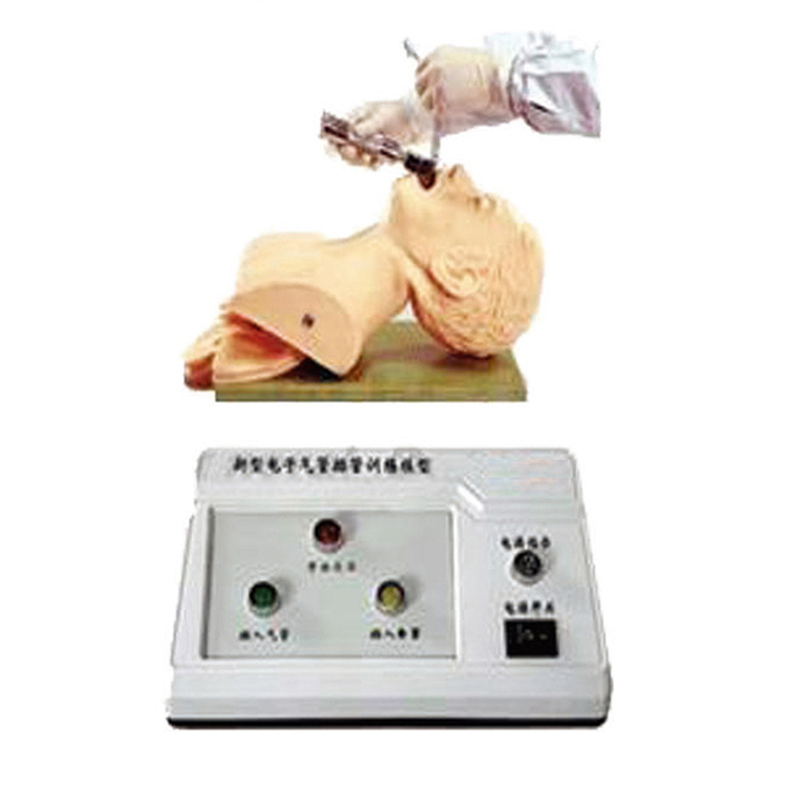
The electronics point deserves emphasis. The SC-CPR480 includes a dynamic barcode indicator light, a display controller, a power adapter, and data cable, and can thermally print operation results. The SC-CPR160 infant manikin uses a 220 V supply regulated to a 5 V output. The SC-J5S intubation model uses electronic display, music playback, and alarm functions. The SC-HS4 IV injection model includes an electronic monitor and electronic puncture alarms. For any of these, a buyer evaluating market access should treat the electrical assembly as part of the compliance discussion rather than as an accessory.
Step-by-Step: Verifying Manikin Documentation Before You Order
The sequence below is designed for buyers who are comparing suppliers for the first time and want a defensible paper trail rather than an impression.
- Request the intended-use statement in writing first. Before certificates, ask how the supplier describes what the manikin is for. For the SC-CK817, the statement should align with pericardial puncture and intracardiac injection training rather than with generic "clinical skills".
- Check who holds the certificate. Confirm that the company issuing the documents is the company manufacturing or controlling production, and that the scope covers the product family you are buying.
- Ask for the material declaration per model. Name the material explicitly — PVC, imported plastic elastomer, imported latex, thermoplastic elastic mixed rubber — and match it against the physical sample.
- Verify that the process is covered. Where a model depends on a specific production method, such as stainless steel mould injection with high-temperature sintering on the SC-H4T, the process should be consistent with what the quality documentation describes.
- Separate compliance documents from customs documents. Keep CO, Form E, and Form F in a customs folder, and keep quality and material documents in a compliance folder. Mixing them is the most common filing error in institutional purchasing.
- Confirm packaging and labelling expectations. Export packaging from this supplier is neutral, without logos, in cardboard or wooden boxes, prepared to export standards. If your market requires specific labelling, raise it before production rather than at dispatch.
- Validate on arrival and register the documents. Check replaceable parts — a replaceable skin and simulated bone marrow cavity on the SC-CK817, replaceable lung sac devices and a changeable face skin on the CPR range, replaceable chest skin on the SC-H140 pediatric model — and file one document register per model for future tenders.
Worked Examples: Reading Three Manikins Correctly
The same reading method produces different questions for different models. Three examples from the current range show how.
SC-CK817 clinical manikin — puncture-oriented intended use
Made of PVC and placed in a supine position with soft texture and lifelike appearance, the SC-CK817 provides accurate anatomical landmarks: the suprasternal notch, the upper edge of the sternal manubrium, and the anterior superior iliac spine can be clearly palpated to facilitate puncture positioning. The skin and simulated bone marrow cavity are easily replaced. The compliance question to ask is specific: which intended-use statement accompanies this model, and does the documentation name the replaceable components that carry the puncture function?
SC-H4T advanced intramuscular injection model — material-driven documentation
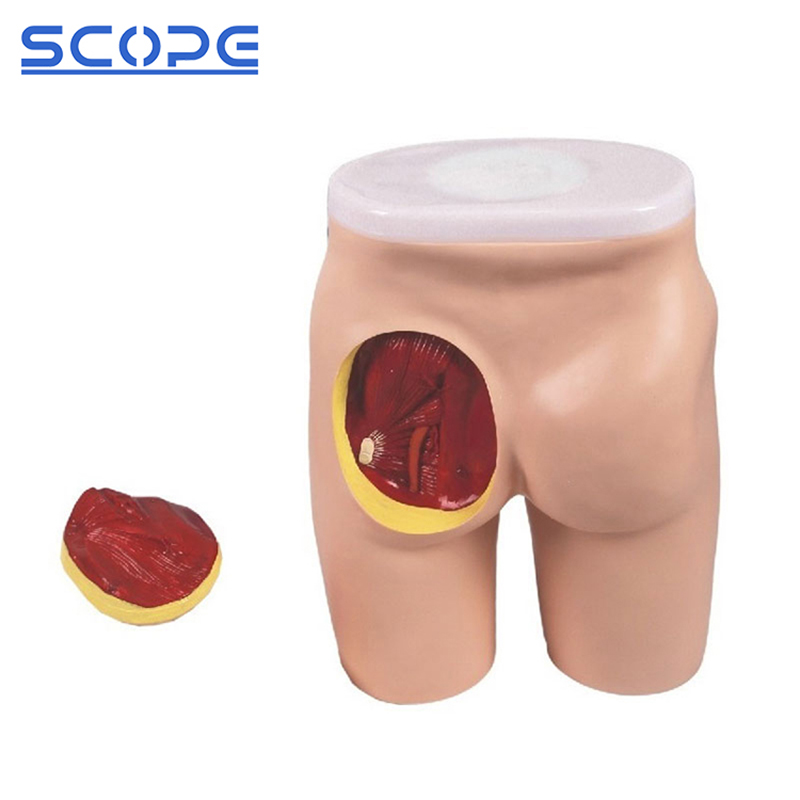
This nursing manikin is made of PVC and imported plastic elastomer, and its internal anatomy includes the proximal femur, greater trochanter, anterior superior iliac spine, posterior superior iliac spine, and sacrum. The left buttock quarter is removable so internal structures can be observed, including the gluteus medius muscle, gluteus maximus muscle, sciatic nerve, and vascular structures, and it supports dorsal ventral hip, hip, and lateral injection training. Because the material is elastomer rather than simple PVC, the documentation question here is a material question: what evidence describes the elastomer, and how is the moulding process controlled?
SC-F50 gynecology manikin — soft-tissue and multi-part configuration
The SC-F50 consists of a simulated lower body of a pregnant woman, two fetus models, an attached umbilical cord, and a placenta. The cervical examination model covers six stages, from no dilation with the fetal head at −5 relative to the ischial spine plane, through 4 cm and −3, 5 cm and 0, 7 cm and +2, to 10 cm and +5. The perineum is soft and elastic for realistic midwifery operations, and the abdomen combines a transparent abdominal wall with simulated skin. Here the documentation question is a configuration question: how are the fetus models, placenta, and umbilical cord listed in the technical description, and how are replacements handled over the training cycle?
Comparison Table: One Compliance Lens, Six Different Products
| Model | Product category | Material (as stated) | Intended training use | Compliance interpretation focus |
|---|---|---|---|---|
| SC-CK817 | Clinical manikin | PVC | Pericardial puncture and intracardiac injection; sternal manubrium and anterior superior iliac spine puncture | Intended-use statement; replaceable skin and simulated bone marrow cavity |
| SC-H4T | Nursing manikin | PVC and imported plastic elastomer | Gluteal intramuscular injection training, three approaches | Material evidence and moulding process |
| SC-F50 | Maternal and infant training manikin | PVC | Prenatal examination, midwifery, delivery, perineal care | Configuration list: two fetus models, umbilical cord, placenta |
| SC-CPR480 | CPR manikin | PVC | Adult CPR training and assessment to 2020 guidelines | Electrical assembly: controller, power adapter, thermal printer |
| SC-H130A | Nursing manikin | PVC | Broad nursing procedures, including catheterization and intubation | Procedure scope and consumable profile |
| SC-A1010 | Anatomy model | PVC | Anatomy and physiology teaching; three-part skull | Teaching-aid category; no patient-contact training function |
The table shows why a single certificate template cannot cover a range. A three-part PVC skull used for anatomy teaching and a PVC clinical manikin with a replaceable bone marrow cavity are both sold by the same supplier, but they are not assessed through the same questions.
Regional Requirements: What Changes From Market to Market
Regional differences show up less in the manikin itself than in the documents requested around it. Four patterns appear most often among the markets this supplier serves.
Europe
Buyers sourcing for European training institutions typically build their request around CE-related documentation and RoHS declarations. Both are listed among the certificates the supplier states it can provide for export. Because European assessment leans on declared intended purpose, the intended-use statement carries more weight than any single certificate copy.
Southeast Asia and South Asia
This range is commonly applied in medical school teaching projects in markets such as Malaysia, India, and Indonesia. Procurement there often runs through institutional tenders, so the document package needs to arrive complete and consistent rather than in fragments. Customs documents such as Form E are frequently part of the same request, and should be filed separately from quality documentation.
Middle East, Africa, and South America
In these markets, clearance paperwork and packaging discipline matter as much as certificates in the first shipment. Neutral export packaging without logos, in cardboard or wooden boxes, plus CO or Form F documentation where required, prevents the most common first-order delays. Buyers here should also confirm the ambient operating range they will work in — the application data for this range specifies 0–35 °C — before committing to a training room plan.
North America
North America held approximately 45–48% of healthcare simulation revenue in 2024, based on Precedence Research and WiseGuyReports figures. Institutional buyers in that market typically operate formal procurement processes and request a complete documentation package before sampling, which makes the step-by-step workflow above useful as an early-stage filter rather than a final-stage formality.
FAQ
Do medical manikins need to be certified as medical devices?
Not automatically, and the accurate answer depends on two things: the intended use the manufacturer declares, and the rules of the market where the manikin will be sold or used. A supplier should be able to provide the intended-use statement in writing before certificates are compared. Where a manikin is placed inside a medical device quality framework, ISO 13485:2016 is the standard buyers most often see, because it covers quality management systems for the design and manufacture of medical devices, including simulation manikins. Chongqing Scope Instrument Co., Ltd. states that official certificates for export — ISO 9001, ISO 14001, ISO 45001, ISO 13485, CE, and RoHS — can all be provided. Ask which document applies to your specific model and destination, and read the scope before accepting it.
How can I tell whether a supplier's material claims are more than marketing language?
Ask for the material to be named per model rather than per brand. Concrete examples exist in the current range: the SC-H4T advanced intramuscular injection model is made of PVC and imported plastic elastomer, manufactured by stainless steel mould injection and high-temperature sintering; the SC-HS4 IV injection model uses imported thermoplastic elastic mixed rubber for skin and muscles, imported latex for nerves and blood vessels, and imported PVC for inner bones and joints, cast from metal moulds at high temperature. A supplier who can specify materials and processes at this level can normally also supply the corresponding records. A supplier who can only say "medical grade" usually cannot.
Does compliance documentation change the commercial terms?
Documentation sits inside the supply scope, so it belongs in the quotation discussion rather than in a separate phase after the order. Three items are worth confirming in writing before comparing offers: which certificates are issued with the order; which customs documents are included, since Chongqing Scope lists CO, Form E, and Form F as available when required; and how the goods are packed, since export packaging is neutral without logos, in cardboard boxes or wooden boxes. Whether a specific model sits at a higher or lower configuration level depends on the material and accessory set selected — for example, a CPR model with a controller, printer, and replaceable lung sac devices has a different accessory profile from a single-purpose injection pad. The documentation package should be stated as included or excluded rather than assumed.
What should we test on a sample before committing to a volume order?
Test the procedure the manikin is bought for. For a clinical manikin such as the SC-CK817, check that the anatomical landmarks used for puncture positioning — the suprasternal notch, the sternal manubrium, and the anterior superior iliac spine — can be palpated, and confirm how the replaceable skin and simulated bone marrow cavity are swapped. For a CPR model, verify the feedback systems you intend to use, such as the dynamic barcode indicator light on the SC-CPR480 that signals compression depth in green, yellow, or red, and confirm the accessory list, which includes replaceable lung sac devices and a changeable face skin. For a maternal model, check the soft-tissue elements you plan to teach, such as the six cervical dilation stages on the SC-F50. Confirm replacement-part availability in the same conversation, because documentation is only half of the long-term picture.
How do we start a documentation review with a supplier?
Send a short document request: target models, intended use, destination market, and the certificate types your institution or importer requires. A supplier that already holds ISO 9001, ISO 14001, ISO 45001, ISO 13485, CE, and RoHS documentation can respond on document availability quickly, and can also discuss OEM and ODM requirements, including logo printing once technical verification is complete. To review the full range — CPR, clinical, nursing, and anatomy models — you can download the company brochure at Chongqing Scope product brochure, or contact the export team directly at [email protected] or +86 15223521781.
Conclusion: Compliance Is a Matching Exercise, Not a Lookup
There is no single certificate that answers the compliance question for a medical manikin, and buyers who search for one usually end up comparing documents that were never meant to be compared. The workable method is a sequence: establish the intended use in writing, confirm the material and process behind the specific model, place the product in the right category, then match the documentation set to the destination market. Certificates such as ISO 9001, ISO 14001, ISO 45001, ISO 13485, CE, and RoHS each answer one of those questions — but only one.
For buyers in the awareness and research phase, the practical takeaway is to build a document register early, one row per model, before samples are ordered. Intended use, material, category, replaceable parts, certificates received, and customs documents required. That single habit prevents most of the rework that occurs when a training programme scales from a pilot room to a full simulation lab, and it makes tender responses considerably faster.
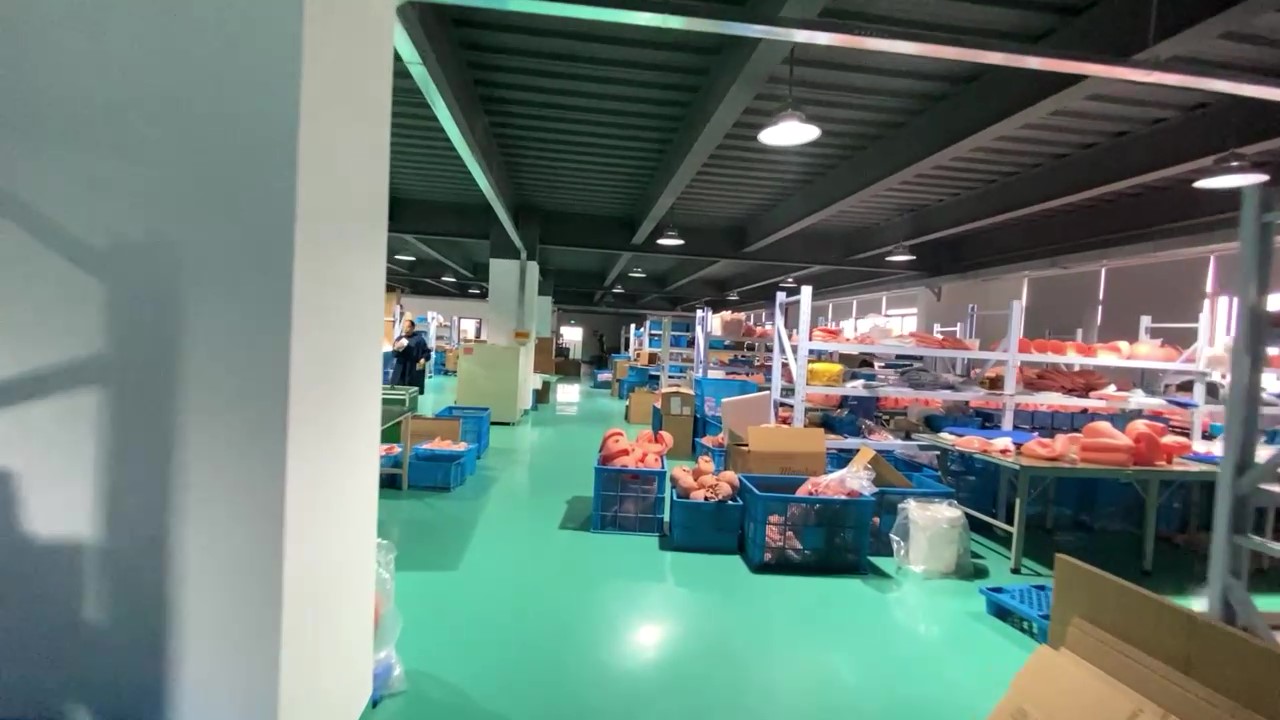
Chongqing Scope Instrument Co., Ltd. was established in 2017 and operates a 5,000 m² facility with more than 100 employees, a 20-engineer R&D team, and a stated annual production capacity of 30,000 units. The company serves over 500 clients worldwide, with exports accounting for 50% of total sales and major markets in Europe, Southeast Asia, the Middle East, South America, and Africa.
Request the documentation set for your target models
Send your model list, intended use, and destination market, and the export team will confirm which certificates, material declarations, and customs documents apply to your order. OEM and ODM enquiries, including logo printing after technical verification, are welcome.
Email:[email protected]
Tel / WhatsApp: +86 15223521781
Website:www.cqscopelab.com
Address: 701, Longhushuijinguoji, No.164, Xinnan Road, Yubei District, Chongqing, China
Brochure:Download the product brochure (PDF)
Have Questions or Need More Details?
Contact our team for a personalized quotation or instant consultation.
Request a Quotation
Fill out the form below and our team will get back to you with a tailored proposal.
WhatsApp Direct Chat
Prefer to chat in real-time? Message us on WhatsApp for instant assistance & quick answers.
- Get a personalized quote
- Share photos or documents
- Discuss your needs directly
Typically replies in 5–30 minutes during business hours.