
Manikin Long-Term Partnership FAQ: Purchase Terms, Acceptance, and Reorder Support

Short answer: A long-term manikin partnership works when the commercial and technical rules are written down before the first bulk order. The documented purchase framework from Chongqing Scope Instrument Co., Ltd. includes delivery terms EXW, FOB, CFR, CIF, and DAP; acceptance by Factory Inspection; payment by T/T; ODM customization of appearance and functions; a stated lead time of 30 to 45 days; a stated monthly capacity of 3,000 units; and a 1-year online warranty. MOQ needs to be confirmed by model and customization scope because the procurement FAQ lists MOQ from 1 unit while the ODM capability unit lists MOQ 20 units.
This FAQ is written for distributors, training centers, medical colleges, and procurement teams that are moving from a single manikin order to a repeatable supply relationship. It focuses on purchase terms, acceptance criteria, and reorder support rather than general product promotion.
Problem Definition
The main risk in a long-term manikin partnership is not the first quotation. It is the absence of written rules for the second, third, and fourth order. When MOQ, Incoterms, inspection method, payment terms, lead time, customization scope, and warranty support are not fixed, each reorder becomes a new negotiation. Training programs then face model inconsistency, unclear acceptance, and avoidable delays.
Buyers also need to separate three decisions that are often mixed together: the purchase terms, the acceptance criteria, and the reorder support model. Purchase terms define the commercial basis. Acceptance criteria define how the buyer confirms that the delivered goods meet the agreed specification. Reorder support defines how the supplier protects continuity when the buyer repeats or expands the order.
For manikins, these decisions affect more than paperwork. A CPR model, nursing manikin, clinical manikin, maternal manikin, infant manikin, anatomy model, injection model, puncture manikin, intubation model, IV injection model, gynecology manikin, pediatric training model, joint model, or torso model may be used in different training programs. A long-term plan may include several categories, so acceptance and reorder rules should be specific enough to apply across the range without becoming vague.
Industry Background
Verified commercial research cited in the data package values the global medical simulation market at USD 2.17 billion in 2024, with a projected value of USD 4.48 billion by 2030. The manikin-specific segment is valued at USD 600 million in 2024 and is expected to reach USD 1.2 billion by 2035. These figures describe different scopes: the larger figure includes simulation products, software, and services, while the manikin-specific figure covers physical training manikins.
The same verified data package reports that anatomical models held the largest product share of the medical simulation sector at approximately 41.4% in 2025. It also reports a broad price range from USD 500 for low-fidelity basic CPR models to over USD 85,000 for AI-driven high-fidelity patient simulators. For long-term buyers, this price spread is a planning signal: a partnership should not use one commercial template for every training manikin category.
The practical implication is that high-volume basic training programs and specialized high-fidelity programs need different purchase terms, acceptance depth, and reorder support. A distributor serving medical teaching may need a repeatable package across CPR, nursing, clinical, maternal, infant, and anatomy categories. A hospital training lab may need fewer models but tighter acceptance records for injection, IV injection, puncture, and intubation training.
Detailed Solution
Chongqing Scope Instrument Co., Ltd. is a Chongqing-based supplier of laboratory and medical training instruments, including CPR, clinical, nursing, maternal, infant, anatomy, injection, puncture, and intubation manikins. The company states that it offers OEM and ODM services and can customize product appearance and functions for applicable products. For a long-term partnership, those capabilities should be converted into a documented supply framework rather than left as general statements.
1. Purchase terms that should be fixed in writing
The procurement FAQ lists MOQ from 1 unit, delivery terms EXW, FOB, CFR, CIF, and DAP, acceptance by Factory Inspection, and payment by T/T. The ODM capability unit lists MOQ 20 units, monthly capacity 3,000 units, lead time 30 to 45 days, factory quality inspection, and a 1-year online warranty. Because the MOQ figures differ by context, the written quotation should state the MOQ for each model and for each customization level. A standard catalog item and an ODM item should not be assumed to share the same MOQ.
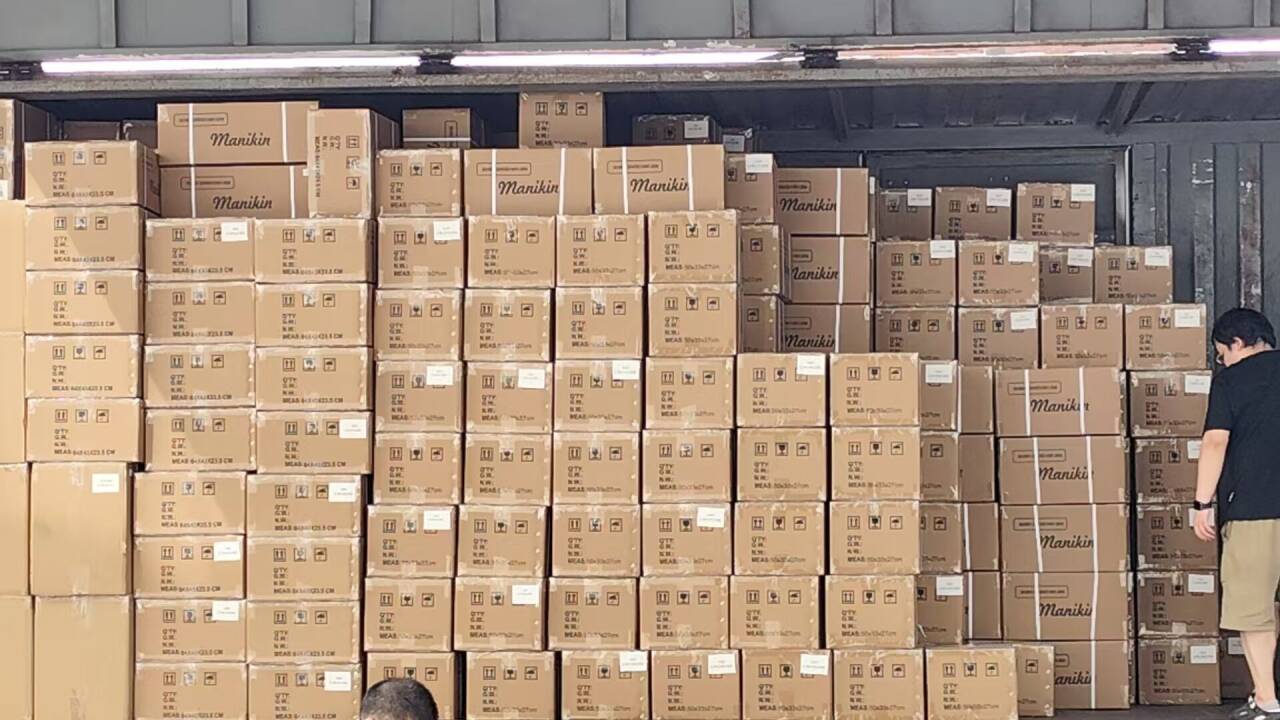
Delivery terms also need to be read as risk allocation, not only freight wording. EXW, FOB, CFR, CIF, and DAP place different responsibilities on the buyer and supplier. For a long-term agreement, the buyer should confirm the named place, the insurance arrangement where applicable, the export packaging standard, and the document set required for customs clearance. The company states that export packaging is neutral, without logos, in cardboard boxes or wooden boxes, and prepared to export standards. If a private-label program requires logo printing or logo labels, that must be specified separately.
2. Acceptance criteria that make Factory Inspection useful
Factory Inspection is the documented acceptance criterion. In practice, the buyer should turn Factory Inspection into a checklist that can be repeated on every reorder. The checklist should identify the model, quantity, appearance, function where applicable, accessories, packaging, labels, and documents. For a mixed container, the checklist should be organized by model family so that CPR models, nursing manikins, clinical manikins, maternal and infant manikins, anatomy models, injection models, puncture manikins, and intubation models are not checked as one undifferentiated group.
The company also lists factory quality inspection as its quality-control method. For long-term supply, the buyer should ask how the factory inspection record is retained and whether the same acceptance checklist can be used for repeat orders. If the first order is accepted under one checklist and the second order is checked under another, the partnership loses its main quality control benefit.
3. ODM customization and model-level reorder questions
Chongqing Scope states that it provides ODM production services and customization of product appearance and functions. For a long-term program, customization should be documented at three levels: appearance changes, functional changes, and labeling or packaging changes. Each level should state the MOQ, approval sample, acceptance method, and change-control rule. This is especially important when a distributor sells under its own brand and needs consistency across repeat orders.
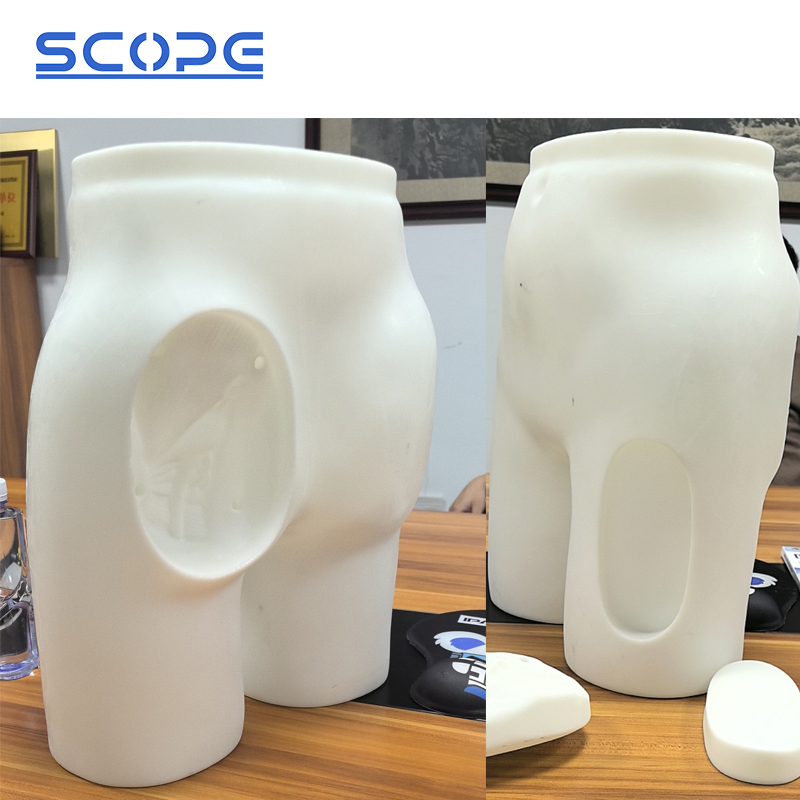
Model-level service questions should also be resolved before the reorder cycle begins. For the SC-HS3 Injection Model, buyers should confirm whether the vein and skin are replaceable for repeated use and how replacement parts are ordered. For the SC-HS4 IV Injection Model, buyers should confirm whether the unit includes an electronic alarm and what the alarm indicates. These points should not be inferred from the model name; they should be confirmed on the current technical sheet and written into the acceptance record.
4. Lead time, capacity, and after-sales support
The ODM capability unit lists a lead time of 30 to 45 days and a monthly capacity of 3,000 units. The after-sales term is 1 year warranty online. For a long-term partnership, these facts should become planning rules. The buyer should state the forecast, the order release schedule, the expected shipment window, and the model mix. The supplier should state how capacity is allocated when several orders overlap. A lead time is more useful when it is tied to a specific order quantity and model mix.
The 1-year online warranty should also be described in operational terms. The agreement should state what is covered, how a claim is submitted, what information is required, and how replacement or repair decisions are made. For training programs that use injection, puncture, IV injection, CPR, nursing, and intubation models, the warranty conversation should be linked to the parts and functions that are most likely to be used repeatedly.
5. Reorder support across the manikin range
A long-term manikin partnership usually covers more than one category. The documented range includes CPR models such as SC-CPR480 and SC-CPR100A, infant manikins such as SC-CPR160, nursing manikins such as SC-H130A, clinical manikins such as SC-CK817, maternal manikins such as SC-F55-1, anatomy models such as SC-A1010, torso models such as SC-A1041, injection models such as SC-HS3, IV injection models such as SC-HS4, puncture manikins such as SC-L66, intubation models such as SC-J5S, gynecology manikins such as SC-F50, pediatric training models such as SC-H140, joint models such as SC-A1025, and medical training models such as SC-HL.
The documented product structure also groups medical training manikins into CPR, clinical, and nursing categories. The nursing range includes whole-body care, catheterization and enema, elderly care, and child care models. The CPR range covers adult and child models and includes CPR and tracheal intubation training. These documented category facts help buyers build a reorder plan by training program rather than by isolated product code.
Step-by-Step Breakdown
Step 1: Define the model mix and training programs. List the manikin categories required by the program: CPR model, nursing manikin, clinical manikin, maternal manikin, infant manikin, anatomy model, torso model, injection model, puncture manikin, intubation model, IV injection model, gynecology manikin, pediatric training model, joint model, or other medical training model. Assign a forecast to each category.
Step 2: Request a written purchase-terms sheet. Ask for MOQ by model, delivery terms, payment terms, packaging, document set, and warranty. Confirm whether the MOQ applies to a standard item or to an ODM item. The procurement FAQ lists MOQ from 1 unit and the ODM capability unit lists MOQ 20 units, so the quotation should remove that ambiguity.
Step 3: Agree on the acceptance checklist. Use Factory Inspection as the documented acceptance basis. Convert it into a checklist with model, quantity, appearance, function where applicable, accessories, packaging, labels, and documents. Keep the same checklist for repeat orders.
Step 4: Validate customization before production. For ODM programs, define appearance changes, functional changes, logo or label requirements, approval sample, and change-control rules. Do not treat a general customization statement as a production specification.
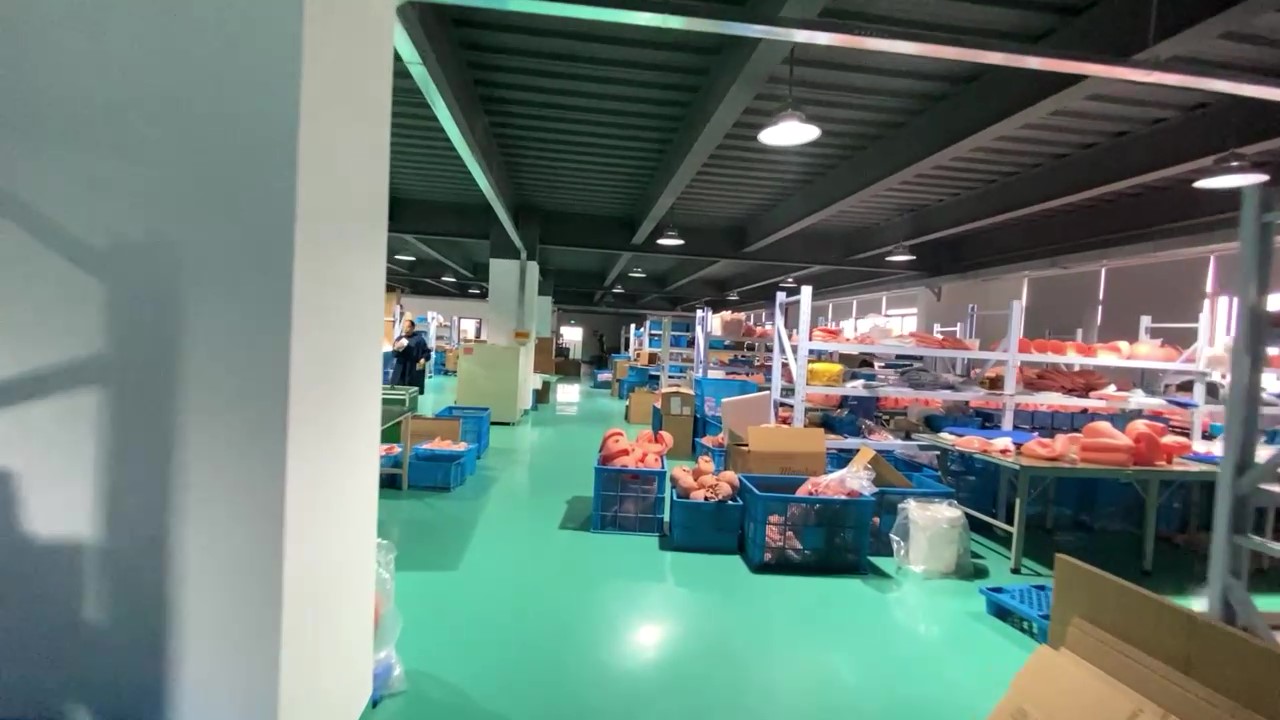
Step 5: Lock the lead-time and capacity assumptions. Use the stated 30 to 45 day lead time and 3,000 unit monthly capacity as planning inputs, then confirm how they apply to the actual order quantity and model mix. State the order release schedule and the shipment window.
Step 6: Write the after-sales and reorder rules. Document the 1-year online warranty process, the contact route, the information required for a claim, and the acceptance method for repeat orders. For model-specific questions such as the SC-HS3 Injection Model and SC-HS4 IV Injection Model, attach the current technical sheet to the agreement.
Step 7: Review the first order as a partnership baseline. Compare the first delivery against the acceptance checklist, record any deviations, and update the reorder specification. The first order should produce a reusable file, not just a shipment record.
Use Cases
Distributor serving medical teaching
A medical manikin distributor in India ordered 500 units for medical teaching. The project duration was one year, the reported result was stable operation, and the highlights were customization and durability. For a similar distributor, the partnership file should include the model mix, the customization approval, the Factory Inspection checklist, the packaging standard, and the reorder trigger. This case shows why customization and durability should be discussed together: customization changes the product, while durability affects how the product performs in repeated training use.
CPR and intubation training lab
A CPR training lab may need adult and child CPR models plus tracheal intubation training. The documented CPR range covers adult and child models and includes CPR and tracheal intubation training. For long-term supply, the lab should define the ratio of CPR models to intubation models, the acceptance checklist for airway functions, and the replacement plan for high-use items.
Nursing and clinical skills program
A nursing program may use nursing manikins for whole-body care, catheterization and enema, elderly care, and child care, together with clinical manikins for general clinical skills. The reorder plan should separate high-use nursing models from lower-use clinical models so that capacity and lead time are allocated sensibly.
Maternal, infant, and anatomy teaching
A maternal and infant care program may include maternal manikins such as SC-F55-1, infant manikins such as SC-CPR160, and anatomy models such as SC-A1010. Because anatomical models represented approximately 41.4% of the medical simulation product share in 2025, anatomy models can be a significant part of a long-term teaching supply plan. The acceptance checklist should confirm the anatomical structures and the intended teaching level for each model.
Injection, puncture, and IV injection training
An injection and puncture training program may use the SC-HS3 Injection Model, SC-HS4 IV Injection Model, and SC-L66 Puncture Manikin. The reorder discussion should include a technical-sheet review, a replacement-parts plan where applicable, and an acceptance record for the functions that the program relies on. If the program depends on replaceable vein and skin components or electronic alarms, those points must be confirmed in the model documentation before the first order is accepted.
Comparison Table: Documented Partnership Terms
The table below uses only documented facts from the provided content units and verified data package. It is a planning table, not a ranking of suppliers.
| Partnership topic | Documented detail | What to confirm for a long-term agreement |
|---|---|---|
| MOQ | Procurement FAQ lists MOQ from 1 unit; ODM capability unit lists MOQ 20 units. | Confirm MOQ by model and by customization level in the quotation. |
| Delivery terms | EXW, FOB, CFR, CIF, and DAP. | Name the place, insurance arrangement, packaging standard, and customs documents. |
| Acceptance | Factory Inspection; quality control by factory quality inspection. | Use one repeatable checklist for model, quantity, appearance, function, accessories, packaging, labels, and documents. |
| Payment | T/T. | State the payment schedule, deposit, balance trigger, and document release condition. |
| Customization | ODM production; customization of product appearance and functions. | Define appearance, function, logo or label changes, approval sample, and change control. |
| Lead time and capacity | Lead time 30 to 45 days; monthly capacity 3,000 units. | Confirm how the figures apply to the order quantity and model mix. |
| After-sales | 1-year warranty online. | Document the claim route, required information, and replacement or repair decision process. |
| Case reference | India medical manikin distributor; 500 units; medical teaching; one year; stable operation; customization and durability. | Use the case as a planning reference, not as a guarantee of identical results. |
Model Family Planning Table
The model families below are listed in the documented product range. Confirm the current technical sheet for the exact functions and configuration of each model before purchase.
| Family | Example model | Long-term planning note |
|---|---|---|
| CPR model | SC-CPR480 | CPR range covers adult and child models and includes CPR and tracheal intubation training. |
| Nursing manikin | SC-H130A | Nursing range includes whole-body care, catheterization and enema, elderly care, and child care models. |
| Clinical manikin | SC-CK817 | Clinical category in the documented catalog; confirm exact functions on the technical sheet. |
| Maternal manikin | SC-F55-1 | Maternal category; confirm obstetric functions and accessories before ordering. |
| Infant manikin | SC-CPR160 | Infant category; confirm the intended training functions and acceptance method. |
| Anatomy model | SC-A1010 | Anatomical models held approximately 41.4% of the medical simulation product share in 2025. |
| Injection model | SC-HS3 | Confirm whether the vein and skin are replaceable for repeated use. |
| IV injection model | SC-HS4 | Confirm whether the unit includes an electronic alarm and what it indicates. |
| Puncture manikin | SC-L66 | Puncture category; confirm current configuration and training functions. |
| Intubation model | SC-J5S | CPR range includes tracheal intubation training; confirm model-specific airway features. |
| Gynecology manikin | SC-F50 | Confirm the intended gynecology training functions and accessory list. |
| Pediatric training model | SC-H140 | Confirm pediatric training functions and acceptance criteria. |
| Joint model | SC-A1025 | Confirm joint structures and teaching use before adding to a repeat order. |
| Torso model | SC-A1041 | Confirm torso anatomy coverage and packaging requirements. |
FAQ
What purchase terms and acceptance criteria apply to a long-term manikin supply agreement?
The documented procurement terms list MOQ from 1 unit, delivery terms EXW, FOB, CFR, CIF, and DAP, acceptance by Factory Inspection, and payment by T/T. The ODM capability unit separately lists MOQ 20 units, so the quotation should confirm the MOQ for the exact model and customization scope. Factory Inspection should be converted into a written checklist that can be reused on every reorder.
How does customization and ODM capability affect long-term partnership planning?
ODM production and customization of product appearance and functions are documented capabilities. For a long-term agreement, these capabilities should be divided into appearance changes, functional changes, and logo or packaging changes. Each change should have an approval sample, an acceptance method, and a change-control rule. This prevents a customized first order from becoming an unrepeatable exception.
What budget factors should be confirmed before committing to a multi-year manikin supply plan?
Use the verified price range as a planning bracket: USD 500 for low-fidelity basic CPR models to over USD 85,000 for AI-driven high-fidelity patient simulators. The partnership budget should separate unit price from MOQ, delivery terms, payment terms, customization charges where applicable, packaging, freight, warranty administration, and the cost of maintaining acceptance records. A catalog price alone is not a total-cost plan.
Can samples be provided before a long-term order?
The provided procurement FAQ does not state a manikin sample policy. Request a written sample plan that covers the sample model, sample fee if any, freight basis, evaluation period, acceptance checklist, and whether any sample charge is credited against the first bulk order. The company states that free samples can be provided in the early stage for laboratory consumables, but that statement should not be assumed for manikins without written confirmation.
What lead time and reorder support should be written into the agreement?
The ODM capability unit lists a lead time of 30 to 45 days and a monthly capacity of 3,000 units. The after-sales term is 1 year warranty online. For reorders, specify model continuity, the repeat acceptance checklist, packaging, document set, and the lead-time trigger. The India distributor case involved 500 units for medical teaching over one year, with stable operation and customization and durability as highlights. To discuss your own reorder plan, request a written quotation and model technical sheets from Chongqing Scope through [email protected] or WhatsApp +86 15223521781.
Conclusion
A long-term manikin partnership is a documented system, not a promise. The buyer needs clear purchase terms, a repeatable Factory Inspection checklist, a defined ODM change-control process, a realistic lead-time and capacity plan, a 1-year online warranty process, and a reorder rule for each model family. The supplier needs a forecast, a technical-sheet review, and a written acceptance standard.
For programs that use CPR models, nursing manikins, clinical manikins, maternal and infant manikins, anatomy models, injection models, IV injection models, puncture manikins, intubation models, gynecology manikins, pediatric training models, joint models, torso models, or other medical training models, the safest approach is to attach the relevant model documentation to the agreement before the first order. That is how purchase terms, acceptance, and reorder support become a usable long-term framework.
Next step: Request a written quotation, sample plan if available, and model technical sheets from Chongqing Scope Instrument Co., Ltd. Email [email protected], call or WhatsApp +86 15223521781, or visit www.cqscopelab.com. The company brochure is available here: Chongqing Scope brochure PDF.
Have Questions or Need More Details?
Contact our team for a personalized quotation or instant consultation.
Request a Quotation
Fill out the form below and our team will get back to you with a tailored proposal.
WhatsApp Direct Chat
Prefer to chat in real-time? Message us on WhatsApp for instant assistance & quick answers.
- Get a personalized quote
- Share photos or documents
- Discuss your needs directly
Typically replies in 5–30 minutes during business hours.