
Modern vs. Traditional Microscopes: A Side-by-Side Comparison for Laboratory Buyers in 2026
Modern vs. Traditional Microscopes: A Side-by-Side Comparison for Laboratory Buyers in 2026
Image: Chongqing Scope microscope factory floor
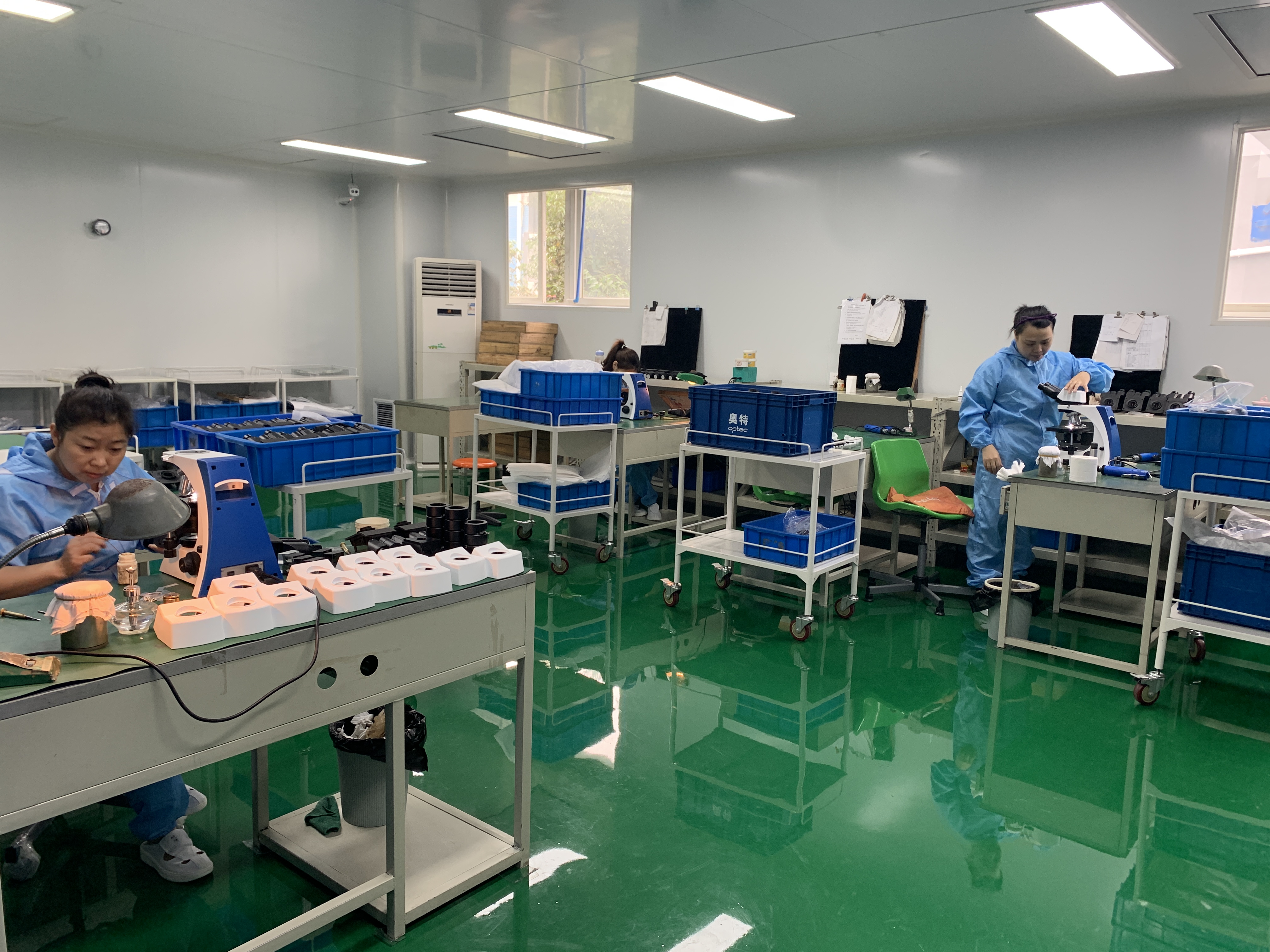
For procurement managers, lab supervisors, and distributors, the biggest decision is not just which microscope model to buy, but whether a modern microscope delivers enough measurable advantages over a traditional unit to justify the purchase. This comparison guide lays out the differences in optical system, total cost of ownership, imaging efficiency, maintenance, and lighting flexibility—so you can make a defensible buying decision.
The Buying Decision: Which Microscope Type Really Costs Less Over Time?
The direct answer: a modern microscope with a metal body and superior optical system typically has a total cost of ownership (TCO) approximately 25% lower than alternatives, despite a slightly higher initial price. That lower TCO is driven by minimal maintenance and a long service life.
When you move from a traditional microscope to a modern model with digital camera connectivity, you can reduce image capture time by 40%. These two measurable advantages—lower TCO and faster image acquisition—are the core reasons why labs, universities, and hospitals are replacing traditional units.
What We Mean by Traditional vs. Modern Microscopes
In this comparison, a traditional microscope refers to conventional optical microscope designs that typically offer only 2–3 lighting configurations, rely on heavier or less stable frames, and require professional service for calibration and cleaning.
A modern microscope, such as those manufactured by Chongqing Scope Instrument Co., Ltd., is built around a superior optical system, a rigid metal body, and a low parts replacement rate. It is designed for extended service life and integrates with digital cameras and low-voltage power sources for field use.
Optical Performance and Build Quality
Modern microscopes provide better and more convenient observation results compared to traditional designs. The core difference is a superior optical system supported by a metal body, which reduces vibration and keeps optical alignment stable over years of use.
For high-end laboratory work, this means fewer optical path disruptions and more consistent image quality. Because parts replacement is rarely needed, laboratories will not need to keep an inventory of fragile components.
For labs that need to capture images, the workflow improvement is substantial. Connecting the microscope to a digital camera reduces image capture time by 40%, versus traditional setups that require manual adjustment, separate camera mounts, and frequent re-alignment.
Lighting Flexibility and Field Use
Traditional microscopes generally offer 2–3 lighting configurations, which limits contrast methods and observation modes. Modern models provide 10 or more optional lighting configurations, enabling bright field, dark field, phase contrast, and fluorescence observation on one platform depending on configuration.
The low-voltage design of modern microscopes also supports more than 8 hours of outdoor use with a power bank, making field inspections possible without a laboratory power outlet.
Total Cost of Ownership Comparison
| Dimension | Traditional Microscope | Modern Microscope |
|---|---|---|
| Optical system | Standard | Superior optical system |
| Body material | Varies | Metal body |
| Parts replacement rate | Higher | Low |
| Lighting configurations | 2–3 options | 10+ optional configurations |
| Digital camera compatibility | Limited | Direct computer connection |
| Image capture time | Baseline | 40% reduction |
| Outdoor use | Not designed | 8+ hours with power bank |
| Initial purchase price | Lower | Slightly higher |
| Total cost of ownership | Baseline | 25% lower |
This table is based on the comparison data for Chongqing Scope's modern microscope line. The TCO advantage comes from minimal maintenance and long service life, not from a lower sticker price.
Maintenance and After-Sales Support
Traditional microscopes often require frequent professional calibration and cleaning. When the optical path is dusty, when bulbs degrade, or when accessories need replacement, the user may have to wait for a service engineer.
Modern models designed with end-user maintenance in mind require simple post-use care. Parts replacement can be performed by users without professional support. That reduces downtime and eliminates recurring service fees.
For buyers who want to limit service dependence, this is a decisive advantage: fewer professional service calls, less waiting time, and lower lifetime costs.
What the Market Data Shows
The global microscope market was valued at USD 11.9 billion in 2025 and is projected to reach USD 21.2 billion by 2033, according to Grand View Research. The life science segment holds a 32.4% revenue share, and optical microscopes remain the largest product segment at approximately 37% of the global market share in 2025.
What does this mean for buyers? Optical microscopes are not a shrinking product category. The market is still dominated by light-based systems for routine and research applications, and buyers who choose modern optical designs are not choosing a legacy technology.
Leading global brands in this market include Carl Zeiss AG (Germany), Leica Microsystems (Danaher), Nikon Corporation (Japan), and Evident (formerly Olympus). The existence of these brands confirms that optical microscopy remains competitive and innovative. For mid-budget and high-volume buyers, a measurable comparison based on TCO, imaging efficiency, and build quality is a better approach than relying only on brand reputation.
Comparison Framework: What Buyers Should Measure
To make an evidence-based decision, compare at least these five criteria:
- Initial purchase cost vs. expected service life.
- Image capture workflow: time to capture and export an image.
- Maintenance complexity and user-replaceable parts.
- Lighting configurations and adaptability.
- Available after-sales services.
This framework avoids the common mistake of choosing solely on lowest invoice cost, which often leads to higher service costs and shorter equipment life.
Common Risk Factors and How to Control Them
Regardless of microscope type, the main risk factors are bulb degradation, accessory replacement, a dusty optical path, and equipment mold or fogging. These problems affect both traditional and modern microscopes, but the impact differs.
For modern microscopes, the manufacturer recommendation is to follow the instruction manual, use the dust cover, and apply anti-mold and anti-fog treatment. Users should also use manual power-off when not in use.
Support measures include online after-sales repair service, operation videos, and supply of various accessories. Buyers should check that these measures are in place before committing to a supplier.
Why Laboratories, Universities, and Hospitals Prefer Modern Designs
Modern microscopes are the better choice for laboratories, universities, and hospitals, where results must be repeatable and imaging documentation is routine. The combination of a superior optical system and metal body reduces variability in image capture, while the 40% reduction in image capture time directly increases staff productivity.
For clinical and educational use, the low maintenance burden is also critical. Laboratory staff can maintain the instrument without waiting for a service engineer, and the 25% lower TCO is a strong argument for budget approvals.
FAQ
Is a modern microscope with a higher initial price always more expensive?
No. In the Chongqing Scope comparison, the initial purchase price is slightly higher than a traditional microscope, but the total cost of ownership is 25% lower due to minimal maintenance and long service life. Buyers should evaluate the full ownership period.
Can users replace parts without professional support?
Yes. Modern microscopes are designed for simple post-use care, and parts replacement can be performed by users without professional support. This reduces downtime compared to traditional microscopes that require professional calibration and cleaning.
How much time can a digital camera save in the imaging workflow?
When connected to a digital camera, the microscope provides a 40% reduction in image capture time. This is based on direct computer connection without the manual setup required by traditional microscope systems.
What lighting configurations are available on a modern microscope?
Modern models offer 10 or more optional lighting configurations, compared to only 2–3 options on traditional microscopes. This supports different observation methods such as bright field, dark field, and other contrast techniques depending on the configuration.
How do buyers control common microscope problems like dust and mold?
Basic controls include manual power-off, following the instruction manual, using a dust cover, and applying anti-mold and anti-fog treatment. The supplier can also provide online after-sales service and operation videos.
Conclusion
For 2026 buying decisions, the evidence favors modern microscopes for laboratories, universities, hospitals, and industrial users. The measurable advantages—40% faster image capture, 25% lower total cost of ownership, 10+ lighting options, and user-level maintenance—are directly relevant to procurement criteria.
Traditional microscopes remain viable only where budget constraints are absolute and imaging documentation is not required. For every other scenario, the modern design is the more economical and efficient choice.
If you are evaluating suppliers, request the product brochure and inspect the optical system, body construction, and support terms before finalizing your decision.
Have Questions or Need More Details?
Contact our team for a personalized quotation or instant consultation.
Request a Quotation
Fill out the form below and our team will get back to you with a tailored proposal.
WhatsApp Direct Chat
Prefer to chat in real-time? Message us on WhatsApp for instant assistance & quick answers.
- Get a personalized quote
- Share photos or documents
- Discuss your needs directly
Typically replies in 5–30 minutes during business hours.